Cart
0

Understanding Your Gut Microbiome Ecosystem
Your digestive tract houses an intricate microbial universe comprising trillions of microorganisms. This complex ecosystem, known as the gut microbiome, influences everything from nutrient absorption to immune function and mental well-being. The delicate balance within this microscopic community determines your overall digestive health and systemic wellness.
When considering gut health optimization, two terms frequently emerge: prebiotics and probiotics. While these compounds work synergistically to support digestive wellness, they function through distinctly different mechanisms. Understanding their unique roles empowers you to make informed decisions about your supplementation strategy.
What Are Probiotics and How Do They Work?
Probiotics are live microorganisms that confer health benefits when consumed in adequate quantities. These beneficial bacteria primarily belong to Lactobacillus and Bifidobacterium genera, though numerous other strains offer therapeutic potential.
These microscopic allies colonize your intestinal tract temporarily, competing with pathogenic bacteria for resources and adhesion sites. They produce antimicrobial compounds called bacteriocins, which inhibit harmful bacterial growth. Additionally, probiotics synthesize essential vitamins, particularly B-complex vitamins and vitamin K2, while enhancing intestinal barrier function.
Common Probiotic Strains and Their Benefits
- Lactobacillus acidophilus supports lactose digestion and vaginal health
- Bifidobacterium longum enhances immune function and reduces inflammation
- Lactobacillus rhamnosus GG prevents antibiotic-associated diarrhea
- Saccharomyces boulardii combats pathogenic yeasts and supports travelers' digestive health
Understanding Prebiotics: Fuel for Beneficial Bacteria
Prebiotics are non-digestible dietary fibers that selectively nourish beneficial gut bacteria. Unlike probiotics, prebiotics aren't living organisms but rather specialized carbohydrates that resist human digestive enzymes while serving as metabolic substrates for your existing microbiome.
These compounds undergo fermentation by beneficial bacteria, producing short-chain fatty acids (SCFAs) like butyrate, propionate, and acetate. SCFAs provide energy for colonocytes, reduce intestinal inflammation, and strengthen the gut barrier. This fermentation process creates an acidic environment that inhibits pathogenic bacterial proliferation.
Types of Prebiotic Compounds
| Prebiotic Type | Food Sources | Primary Benefits |
|---|---|---|
| Inulin | Chicory root, Jerusalem artichokes | Enhances calcium absorption |
| Fructooligosaccharides (FOS) | Garlic, onions, bananas | Stimulates Bifidobacterium growth |
| Galactooligosaccharides (GOS) | Legumes, human breast milk | Supports infant gut development |
Key Differences Between Prebiotics vs Probiotics
The fundamental distinction lies in their nature and mechanism of action. Probiotics introduce external beneficial bacteria, while prebiotics nourish your existing microbial community. This difference affects their stability, effectiveness, and appropriate usage scenarios.
Probiotics face survival challenges during manufacturing, storage, and transit through your acidic stomach environment. Many require refrigeration and specialized enteric coatings for optimal viability. Prebiotics, being stable fiber compounds, withstand environmental stressors more effectively.
"Think of prebiotics as fertilizer for your gut garden, while probiotics are like planting new beneficial bacteria seeds. Both approaches support microbial diversity, but through complementary pathways."
Timing and Administration Considerations
Probiotic supplementation typically requires consistent daily intake to maintain transient colonization effects. These benefits diminish relatively quickly after discontinuation. Prebiotic effects accumulate gradually as your indigenous bacterial populations expand and diversify over time.
Choosing the Right Approach for Your Gut Health Goals
Your optimal strategy depends on your current digestive status, health objectives, and lifestyle factors. Recent antibiotic use often necessitates probiotic replenishment to restore microbial diversity. Chronic digestive issues may benefit from prebiotic supplementation to strengthen your existing beneficial bacteria populations.
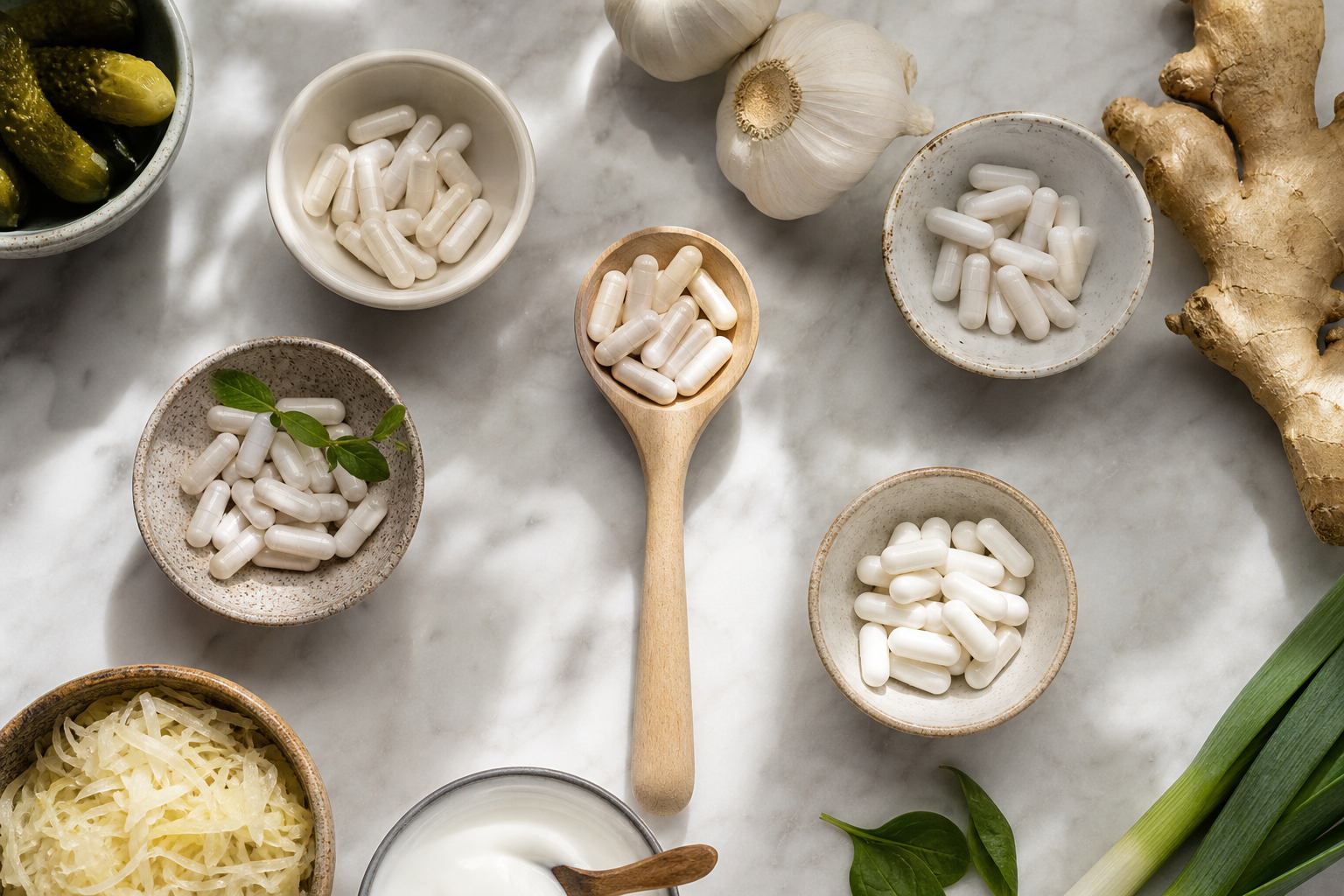
Many health-conscious individuals discover that combining both approaches—called synbiotics—maximizes gut health benefits. This strategy provides both the seeds (probiotics) and the soil nutrients (prebiotics) for optimal microbial flourishing.
Consider consulting healthcare professionals when addressing specific digestive concerns or when integrating gut health supplements with existing medications. Quality sourcing from reputable manufacturers ensures product potency and purity for your wellness journey.