

Cart
0
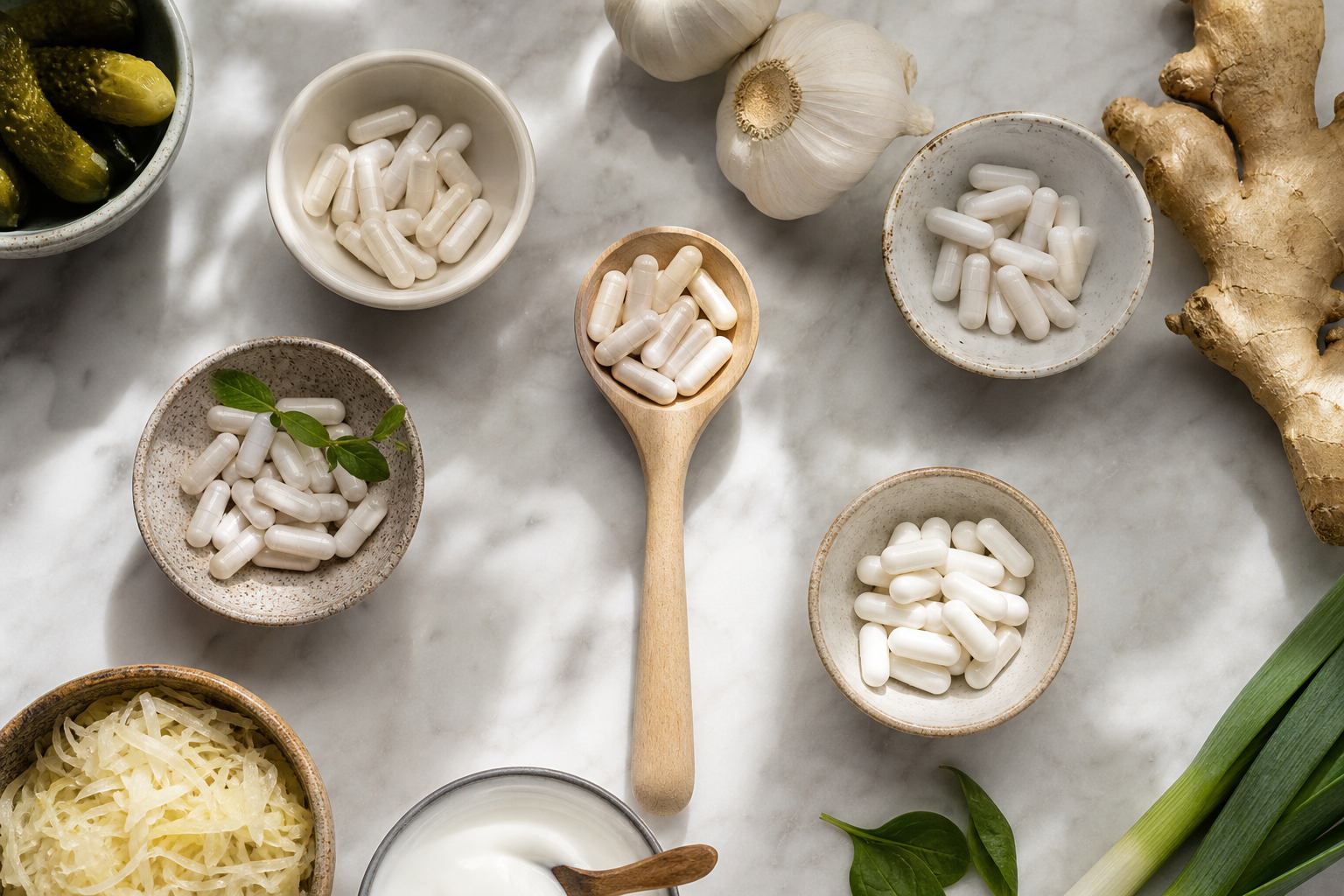
Your gut houses trillions of microorganisms, each playing a distinct role in your wellbeing. When choosing a probiotic supplement, understanding which bacterial strains align with your specific health objectives transforms a generic purchase into a targeted wellness intervention. This guide illuminates the science behind probiotic strains, helping you navigate formulations to support immunity, digestion, mental clarity, and beyond.
Decoding the Probiotic Nomenclature
Each probiotic strain carries a three-part identifier: genus, species, and strain designation. Lactobacillus rhamnosus GG, for instance, belongs to the Lactobacillus genus, rhamnosus species, with GG representing its unique strain identifier. This specificity matters profoundly—different strains within the same species can exhibit vastly different therapeutic properties. The strain-specific nature of probiotic effects means that research supporting one particular strain cannot automatically apply to another, even if they share genus and species names.
Fortifying Your Immune Defenses
Approximately seventy percent of your immune system resides in your gastrointestinal tract, making gut bacteria pivotal guardians of systemic health. The best probiotic strains for immunity work through multiple mechanisms: they modulate inflammatory responses, enhance natural killer cell activity, and strengthen the intestinal barrier that prevents pathogen translocation.
Elite Strains for Immune Reinforcement
Lactobacillus rhamnosus GG stands as one of the most extensively researched immune-supporting strains. Clinical investigations demonstrate its capacity to reduce respiratory infection duration and severity. Bifidobacterium lactis HN019 enhances cellular immunity, particularly in older adults whose immune function naturally declines. Lactobacillus paracasei strengthens mucosal immunity—the first line of defense against airborne pathogens.
For those seeking comprehensive immune fortification, EA Supplements offers a specialized collection designed specifically for this purpose. Our Probiotics for Immune Support collection features expertly curated formulations containing clinically validated strains at therapeutic dosages, making it straightforward to identify supplements that address your immunological needs without deciphering complex scientific literature.
Featured Products
Gastrointestinal Harmony and Digestive Optimization
Digestive discomfort affects millions, yet strain selection dramatically influences outcomes. Saccharomyces boulardii, a beneficial yeast, excels at managing antibiotic-associated diarrhea and traveler's digestive upset. Bifidobacterium infantis 35624 demonstrates remarkable efficacy for irritable bowel syndrome, reducing bloating, pain, and irregular bowel patterns.
Lactobacillus plantarum assists with nutrient absorption while maintaining intestinal permeability at optimal levels. For those managing inflammatory bowel conditions, VSL#3—a high-potency blend containing eight specific strains—shows promise in clinical settings for maintaining remission in ulcerative colitis.
Cognitive Function and Mood Modulation
The gut-brain axis represents a bidirectional communication highway where intestinal microbiota influence neurological function. Lactobacillus helveticus and Bifidobacterium longum have demonstrated anxiolytic properties in human trials, reducing psychological distress and cortisol levels. These psychobiotic strains produce neurotransmitter precursors and anti-inflammatory compounds that positively impact mood regulation and cognitive performance.
Strategic Selection Criteria
When evaluating probiotic supplements, several factors determine efficacy beyond strain identification. Consider these essential elements:
- Colony-forming units (CFUs) should align with clinical research—typically between 1 billion and 100 billion depending on the application
- Enteric coating or delayed-release capsules protect delicate bacteria through the harsh gastric environment
- Third-party testing verifies strain identity and viability through expiration
- Storage requirements vary; some strains remain stable at room temperature while others require refrigeration
Timing and Synergistic Considerations
Probiotic efficacy often depends on consumption timing. Most strains survive best when taken with meals containing some dietary fat, which buffers stomach acid. However, Saccharomyces boulardii tolerates acidic environments exceptionally well and can be taken without food.
Pairing probiotics with prebiotic fibers—such as inulin, fructooligosaccharides, or galactooligosaccharides—nourishes beneficial bacteria and enhances colonization potential.
Duration and Realistic Expectations
Microbiome modulation requires patience. Most individuals notice digestive improvements within two to four weeks, while immune and cognitive benefits may require eight to twelve weeks of consistent supplementation. Probiotics colonize temporarily rather than permanently, necessitating ongoing consumption to maintain benefits.
| Health Goal | Recommended Strains | Typical Timeframe |
|---|---|---|
| Immune Support | L. rhamnosus GG, B. lactis HN019 | 4-8 weeks |
| Digestive Relief | B. infantis 35624, S. boulardii | 2-4 weeks |
| Mood Enhancement | L. helveticus, B. longum | 8-12 weeks |
Matching probiotic strains to your wellness objectives transforms supplementation from hopeful experimentation into evidence-based intervention. By understanding strain-specific benefits and selecting formulations backed by clinical research, you empower your microbiome to support immunity, digestion, cognition, and overall vitality with remarkable precision.


