Cart
0
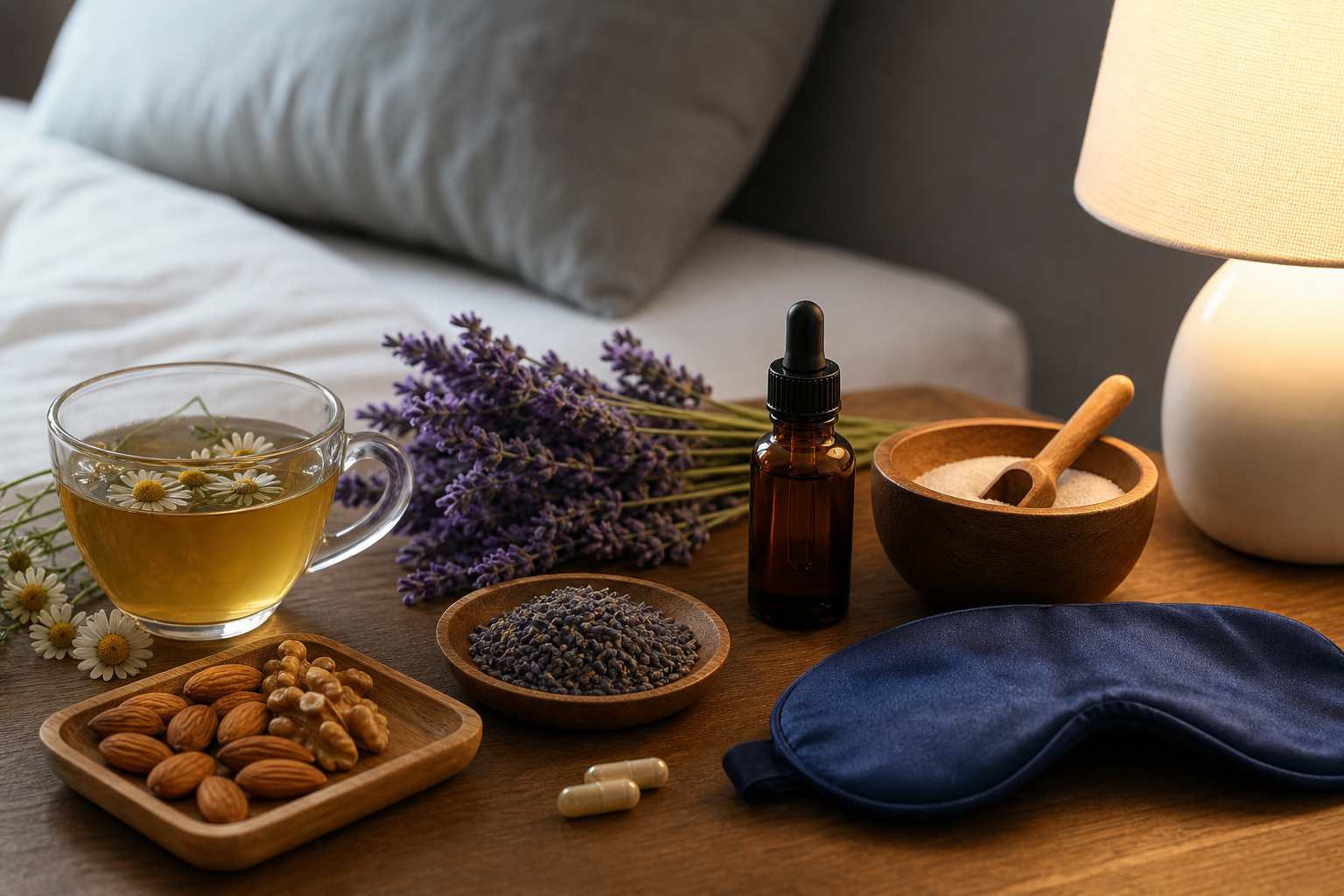
Restful slumber remains elusive for millions of adults, yet pharmaceutical interventions often carry unwanted side effects or dependency risks. Natural sleep aids offer a gentler pathway to restorative rest, supported by scientific research and centuries of traditional use. Whether you're grappling with occasional sleeplessness or chronic nocturnal restlessness, evidence-based botanical and nutritional solutions can help recalibrate your circadian rhythms without morning grogginess.
Understanding Why Natural Sleep Aids Matter
The modern sleep crisis extends far beyond simple fatigue. Poor sleep quality cascades into compromised immune function, metabolic dysregulation, and cognitive decline. Conventional hypnotics may induce unconsciousness, but they frequently disrupt natural sleep architecture, preventing the restorative deep sleep phases your body requires.
Natural alternatives work synergistically with your physiology rather than forcing sedation. They address underlying imbalances—whether hormonal, neurological, or stress-related—that perpetuate insomnia. This approach aligns with your body's innate wisdom, supporting sustainable sleep patterns without chemical dependency.
Seven Evidence-Based Natural Sleep Aids
Magnesium: The Relaxation Mineral
This essential mineral regulates neurotransmitters that calm the nervous system. Magnesium deficiency correlates strongly with sleep disturbances, as it's required for GABA receptor function—your brain's primary inhibitory neurotransmitter. Glycinate and threonate forms demonstrate superior bioavailability and neurological benefits. Research indicates 300-500mg taken ninety minutes before bed can significantly reduce sleep latency.
L-Theanine: Tranquility Without Drowsiness
Found predominantly in green tea, this amino acid promotes alpha brain wave activity associated with relaxed alertness. Unlike sedatives, L-theanine doesn't impair daytime function but facilitates easier transition into sleep. Studies show 200mg doses enhance sleep quality by reducing ruminative thoughts and sympathetic nervous system activation.
Melatonin: Recalibrating Your Internal Clock
This endogenous hormone signals darkness to your brain, orchestrating the circadian sleep-wake cycle. Supplementation proves particularly effective for jet lag, shift work, or delayed sleep phase syndrome. Contrary to popular belief, less is often more—0.5 to 3mg typically suffices, with higher doses sometimes causing next-day lethargy or vivid dreams.
Natural sleep aids address root causes rather than merely suppressing wakefulness, creating sustainable improvements in sleep architecture and morning vitality.
Valerian Root: Ancient Botanical Sedative
Used since Greco-Roman antiquity, valerian root modulates GABA receptors similarly to benzodiazepines but without habituation. Clinical trials demonstrate improved sleep quality after two to four weeks of consistent use, suggesting cumulative benefits rather than immediate knockout effects. The distinctive pungent aroma signals its potent valerenic acid content.
Passionflower: Anxiolytic Sleep Support
This climbing vine contains flavonoids that bind to benzodiazepine receptors, reducing anxiety-driven insomnia. Particularly beneficial for those whose racing thoughts obstruct sleep onset, passionflower demonstrates efficacy comparable to low-dose oxazepam without cognitive impairment. Standardized extracts containing 3.5% isovitexin offer consistent potency.
Glycine: The Inhibitory Amino Acid
This simple amino acid lowers core body temperature—a critical physiological signal for sleep initiation. Research shows 3g of glycine before bedtime improves subjective sleep quality, reduces sleep latency, and enhances daytime cognitive performance. Its gentle mechanism makes it suitable for long-term use without tolerance development.
Tart Cherry Extract: Melatonin-Rich Superfruit
Montmorency cherries contain naturally occurring melatonin alongside anti-inflammatory polyphenols. Studies indicate tart cherry juice or concentrated extracts increase sleep duration by up to 84 minutes nightly. The dual action of melatonin provision and inflammation reduction makes this particularly valuable for aging adults or those with inflammatory conditions.
Optimizing Your Natural Sleep Aid Strategy
Combining complementary supplements often yields superior results compared to monotherapy. Consider pairing magnesium with L-theanine for neurotransmitter support, or melatonin with tart cherry for enhanced circadian regulation. Timing matters critically—most natural sleep aids require 60-90 minutes to reach peak effectiveness.
| Supplement | Optimal Dosage | Best Timing |
|---|---|---|
| Magnesium Glycinate | 300-500mg | 90 minutes pre-bed |
| L-Theanine | 200-400mg | 60 minutes pre-bed |
| Melatonin | 0.5-3mg | 30-60 minutes pre-bed |
Frequently Asked Questions About Natural Sleep Aids
Can I Use Natural Sleep Aids Long-Term?
Most botanical and nutritional sleep aids demonstrate excellent safety profiles for extended use. Unlike pharmaceutical hypnotics, they don't typically create dependency or require escalating doses. However, addressing underlying causes—stress management, sleep hygiene, circadian rhythm optimization—remains paramount for sustainable results.
How Long Before Natural Sleep Aids Work?
Response timelines vary considerably. Melatonin and L-theanine often produce noticeable effects within days, while valerian root and passionflower typically require two to four weeks of consistent supplementation to demonstrate full benefits. Patience proves essential when transitioning from pharmaceutical interventions.
Building Your Personalized Sleep Protocol
Selecting appropriate natural sleep aids requires consideration of your specific sleep challenges. Difficulty initiating sleep suggests melatonin or L-theanine, while frequent nocturnal awakenings might benefit from magnesium or glycine. At EA Supplements, our curated selection combines expert-endorsed formulations with transparent ingredient sourcing, allowing you to build a customized protocol supported by both science and traditional wisdom.
Quality matters profoundly in supplementation. Third-party testing, clean formulations without unnecessary fillers, and standardized botanical extracts ensure consistent potency and safety. By choosing rigorously vetted products, you're investing in genuine therapeutic benefit rather than placebo responses.
Remember that supplements complement—not replace—foundational sleep hygiene practices. Consistent sleep schedules, light exposure management, temperature optimization, and stress reduction techniques amplify the effectiveness of any natural sleep aid strategy.