Cart
0
Table of Contents
- The Science Behind Vitamin C and Immune Function
- How Vitamin C Enhances Immune Cell Performance
- Antioxidant Protection for Immune Cells
- Supporting Complement System Activation
- Optimizing Your Immune System with Targeted Supplementation
- Bioavailability and Absorption Considerations
- Frequently Asked Questions About Vitamin C and Immunity
The Science Behind Vitamin C and Immune Function
Vitamin C, scientifically known as ascorbic acid, operates as a potent immunomodulator within our physiological systems. This water-soluble micronutrient orchestrates multiple immune pathways, enhancing both innate and adaptive immunity responses. When pathogens breach our initial defenses, vitamin C springs into action, bolstering leukocyte proliferation and optimizing phagocytic capabilities of neutrophils and macrophages.
The mechanism by which vitamin C fortifies immunity involves several intricate processes. It stimulates interferon production, creating an antiviral state within cells. Additionally, this remarkable nutrient supports collagen synthesis, maintaining epithelial barrier integrity—our body's first line of defense against infectious agents.
How Vitamin C Enhances Immune Cell Performance
Antioxidant Protection for Immune Cells
Immune cells generate substantial reactive oxygen species (ROS) during pathogen combat, potentially causing oxidative stress. Vitamin C functions as a formidable antioxidant, neutralizing these harmful free radicals and preventing cellular damage. This protective mechanism ensures immune cells maintain optimal functionality throughout extended immune responses.
"Vitamin C concentrations in immune cells are 10-100 times higher than plasma levels, indicating the critical importance of this nutrient for proper immune function."
Supporting Complement System Activation
The complement cascade represents a sophisticated immune surveillance network. Vitamin C facilitates complement protein synthesis and activation, enhancing pathogen recognition and elimination. This process involves enzymatic reactions that require ascorbic acid as a cofactor, demonstrating the nutrient's indispensable role in immune orchestration.
Optimizing Your Immune System with Targeted Supplementation
While dietary sources provide foundational vitamin C intake, strategic supplementation can amplify immune benefits. However, immune health extends beyond single nutrients—it requires comprehensive support including beneficial microorganisms that modulate immune responses.
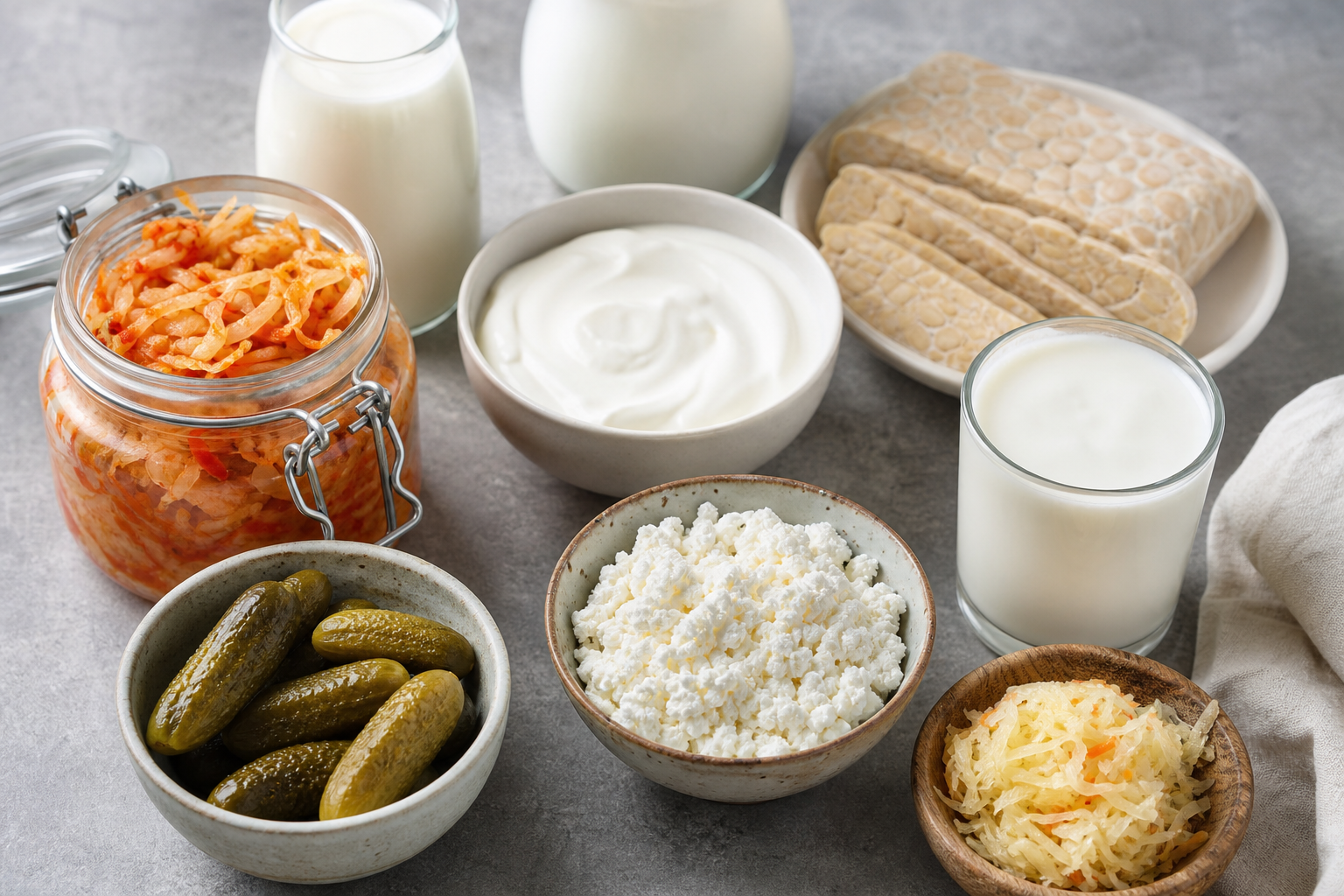
Probiotics work synergistically with vitamin C to create a robust immune environment. These beneficial bacteria communicate with immune cells through the gut-associated lymphoid tissue (GALT), training immune responses and promoting balanced inflammatory reactions. The combination of vitamin C's cellular protection and probiotics' immune education creates a formidable defense system.
EA Supplements offers a specialized collection of probiotics specifically formulated for immune support, featuring clinically-researched strains that complement vitamin C's immune-enhancing properties. These targeted formulations address the interconnected relationship between gut microbiome health and systemic immunity.
Featured Products
Bioavailability and Absorption Considerations
Understanding vitamin C pharmacokinetics reveals important absorption limitations. The intestinal sodium-dependent vitamin C transporter (SVCT1) becomes saturated at approximately 200mg doses. Higher quantities result in diminishing absorption rates and increased urinary excretion.
| Dosage | Absorption Rate | Plasma Saturation |
|---|---|---|
| 30-100mg | 80-90% | Moderate |
| 200mg | 70-75% | Near-optimal |
| 1000mg | 50-55% | Saturated |
These absorption dynamics suggest that moderate, consistent dosing may prove more efficacious than sporadic megadoses for sustained immune support.
Frequently Asked Questions About Vitamin C and Immunity
Can vitamin C prevent respiratory infections entirely? While vitamin C significantly reduces infection duration and severity, it cannot guarantee complete prevention. Regular supplementation may reduce infection risk by approximately 8% in average populations.
What's the optimal timing for vitamin C intake during illness onset? Early intervention yields superior results. Initiating supplementation within 24 hours of symptom appearance maximizes therapeutic benefits through enhanced immune cell recruitment and activation.
Do different vitamin C forms affect immune function differently? Buffered ascorbates and liposomal formulations may offer enhanced tolerability and sustained release profiles, potentially providing more consistent immune support compared to standard ascorbic acid preparations.
Incorporating vitamin C into your wellness regimen represents a scientifically-validated approach to immune optimization. Combined with complementary nutrients and beneficial microorganisms, this powerful antioxidant forms the foundation of robust immune resilience, helping your body maintain its natural defense mechanisms against environmental challenges.