Cart
0
Are Vitamins Better Than Supplements? Unpacking the Myths and Realities
In today’s health-conscious world, the debate over whether vitamins are better than supplements rages on. With endless options available, many people find themselves overwhelmed, caught between the allure of quick-fix pills and the natural benefits of whole foods. Are vitamins genuinely superior, or can well-designed supplements offer comparable health advantages? This article unpacks the myths and realities surrounding these essential nutrients, guiding you through the complex landscape of vitamins and supplements. We’ll delve into their roles in our diet, clarify common misconceptions, and help you discover the best approach for optimal health. By the end, you’ll be empowered to make informed choices that support your wellness journey. Join us as we explore this critical topic and shed light on the path to achieving a healthier you.
In today’s health-conscious world, the debate over whether vitamins are better than supplements rages on. With endless options available both online and in stores, many people feel overwhelmed—caught between the appeal of quick-fix pills and the promise of natural nutrition from whole foods. Are vitamins genuinely superior, or can well-designed supplements offer comparable health advantages?
This article unpacks the myths and realities surrounding these essential nutrients, guiding you through the complex landscape of vitamins and supplements. We’ll explore how they work, clarify common misconceptions, and help you determine the best approach for optimal health. By the end, you’ll be empowered to make informed choices that support your long-term wellness journey.
Understanding Vitamins: The Foundation of Nutrition
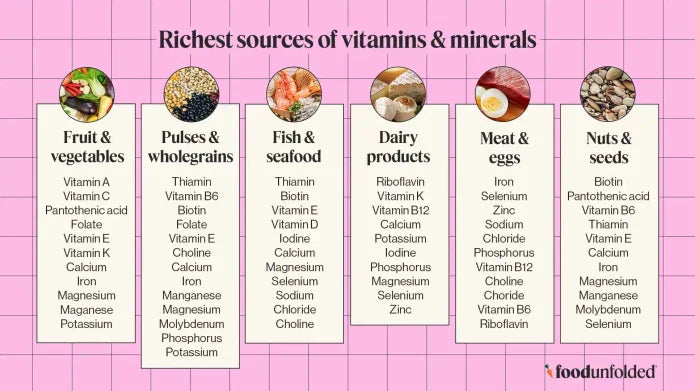
Vitamins are organic compounds that the body needs in small amounts to function properly. They play a crucial role in supporting immune health, energy production, bone strength, skin health, and overall well-being. Most vitamins are naturally found in whole foods such as fruits, vegetables, whole grains, dairy products, and lean proteins.
Types of Vitamins
Vitamins are generally divided into two categories:
-
Water-soluble vitamins: These include vitamin C and the B-complex vitamins. They dissolve in water and are not stored in the body for long periods, meaning they need to be consumed regularly.
-
Fat-soluble vitamins: These include vitamins A, D, E, and K. They are stored in the body’s fat tissues and liver and are used as needed.
A balanced diet rich in whole foods typically provides a wide range of essential vitamins, along with additional nutrients like fiber, antioxidants, and phytochemicals that work together to support health.
What Are Supplements and How Do They Differ?
Dietary supplements are products designed to enhance your nutrient intake. They may contain vitamins, minerals, herbs, amino acids, enzymes, or other beneficial compounds. Supplements come in many forms, including capsules, tablets, powders, liquids, and gummies.
Unlike vitamins obtained from food, supplements are often isolated or concentrated forms of nutrients. They are especially popular among individuals who:
-
Have specific nutrient deficiencies
-
Follow restrictive diets (such as vegan or gluten-free diets)
-
Have higher nutritional needs due to age, pregnancy, or intense physical activity
-
Struggle to get adequate nutrition from food alone
When formulated correctly and used responsibly, supplements can play a valuable role in supporting overall health.
Vitamins vs Supplements: Key Differences Explained
One of the biggest misconceptions is that vitamins and supplements are opposing choices. In reality, vitamins are often included within supplements. The true comparison lies in food-based vitamins versus supplemental nutrients.
Source of Nutrients
-
Vitamins from food come packaged with fiber, enzymes, and other compounds that aid absorption and digestion.
-
Supplements provide targeted nutrients in controlled doses, making it easier to address specific deficiencies.
Absorption and Bioavailability
Nutrients from whole foods are often better absorbed because they work synergistically with other natural compounds. However, modern supplements are designed to improve bioavailability through advanced formulations such as chelated minerals or time-release capsules.
Convenience and Consistency
Whole foods require planning, preparation, and consistency. Supplements offer convenience, especially for people with busy lifestyles or limited access to fresh foods.
Common Myths About Vitamins and Supplements
Myth 1: Supplements Are Unnecessary If You Eat Well
While a healthy diet is the best foundation for nutrition, studies show that many people still fall short of key nutrients such as vitamin D, magnesium, iron, and omega-3 fatty acids. Supplements can help fill these gaps.
Myth 2: All Supplements Are the Same
Quality varies significantly. High-quality supplements are made with carefully sourced ingredients, tested for purity, and formulated for proper absorption. Low-quality products may contain fillers, artificial additives, or ineffective doses.
Myth 3: More Is Always Better
Taking excessive amounts of certain vitamins—especially fat-soluble ones—can be harmful. Supplements should complement your diet, not replace it or be taken in excess.
When Are Supplements Beneficial?
Supplements are not meant to replace whole foods, but they can be highly beneficial in certain situations:
-
Nutrient deficiencies confirmed by blood tests
-
Limited diets due to allergies, preferences, or medical conditions
-
Aging, as nutrient absorption tends to decline over time
-
High physical demand, such as athletes or physically demanding jobs
-
Seasonal needs, like vitamin D supplementation during winter months
In these cases, supplements can provide targeted support that may be difficult to achieve through diet alone.
Are Vitamins Better Than Supplements? The Real Answer
The truth is, neither option is universally better. Vitamins from whole foods are ideal because they come with additional nutrients that promote overall health. However, well-designed supplements can offer comparable benefits when used correctly and responsibly.
Rather than choosing one over the other, the most effective approach is combination-based nutrition:
-
Prioritize whole, nutrient-dense foods
-
Use supplements strategically to address gaps
-
Choose high-quality products from trusted sources
-
Follow recommended dosages
This balanced approach supports long-term wellness without unnecessary risks.
How to Choose the Right Supplements
If you decide to include supplements in your routine, consider the following tips:
-
Check labels carefully for dosage, ingredients, and certifications
-
Avoid megadoses unless advised by a healthcare professional
-
Choose reputable brands with transparent sourcing and testing
-
Match supplements to your goals, such as immunity, energy, or bone health
-
Consult a professional if you have medical conditions or take medications
Making informed choices ensures that supplements enhance your health rather than complicate it.
Final Thoughts: Building a Sustainable Wellness Strategy
The debate over vitamins versus supplements doesn’t have a one-size-fits-all answer. True wellness is about understanding your body’s needs and responding with thoughtful, evidence-based choices. Whole foods should always form the foundation of a healthy lifestyle, but supplements can be a powerful ally when used correctly.
By separating myths from facts and focusing on quality, balance, and consistency, you can confidently navigate the world of vitamins and supplements. Whether your goal is improved energy, stronger immunity, or long-term health, informed nutrition choices will always be your greatest investment.
A healthier you starts with knowledge—and now, you’re equipped to make the right decision.