Cart
0

The Gut-Brain Connection: Understanding Your Second Brain
Your gastrointestinal tract houses approximately 100 million neurons, creating what scientists call the enteric nervous system. This intricate network communicates bidirectionally with your brain through the vagus nerve, influencing everything from mood regulation to cognitive performance. Research reveals that nearly 95% of serotonin production occurs within your intestinal walls, not your brain.
The microbiome's influence extends far beyond digestion. Beneficial bacteria produce neurotransmitters like GABA and dopamine, while pathogenic organisms can trigger inflammatory cascades that impact mental clarity and emotional stability. This symbiotic relationship explains why digestive disturbances often coincide with anxiety, depression, or brain fog.
Microbiome Diversity and Mental Wellness
A diverse microbial ecosystem correlates with enhanced psychological resilience. Studies demonstrate that individuals with varied bacterial populations exhibit superior stress management capabilities and improved emotional regulation. Conversely, dysbiosis—an imbalance in gut flora—frequently manifests as heightened anxiety, irritability, and cognitive dysfunction.
Revolutionary Discoveries in Gut Health Science
Recent breakthroughs have transformed our understanding of intestinal wellness. Scientists have identified specific bacterial strains that enhance immune function, optimize nutrient absorption, and strengthen the intestinal barrier. The concept of "psychobiotics"—microorganisms that benefit mental health—represents a paradigm shift in therapeutic approaches.
Doctor-Endorsed Solutions for Optimal Gut Function
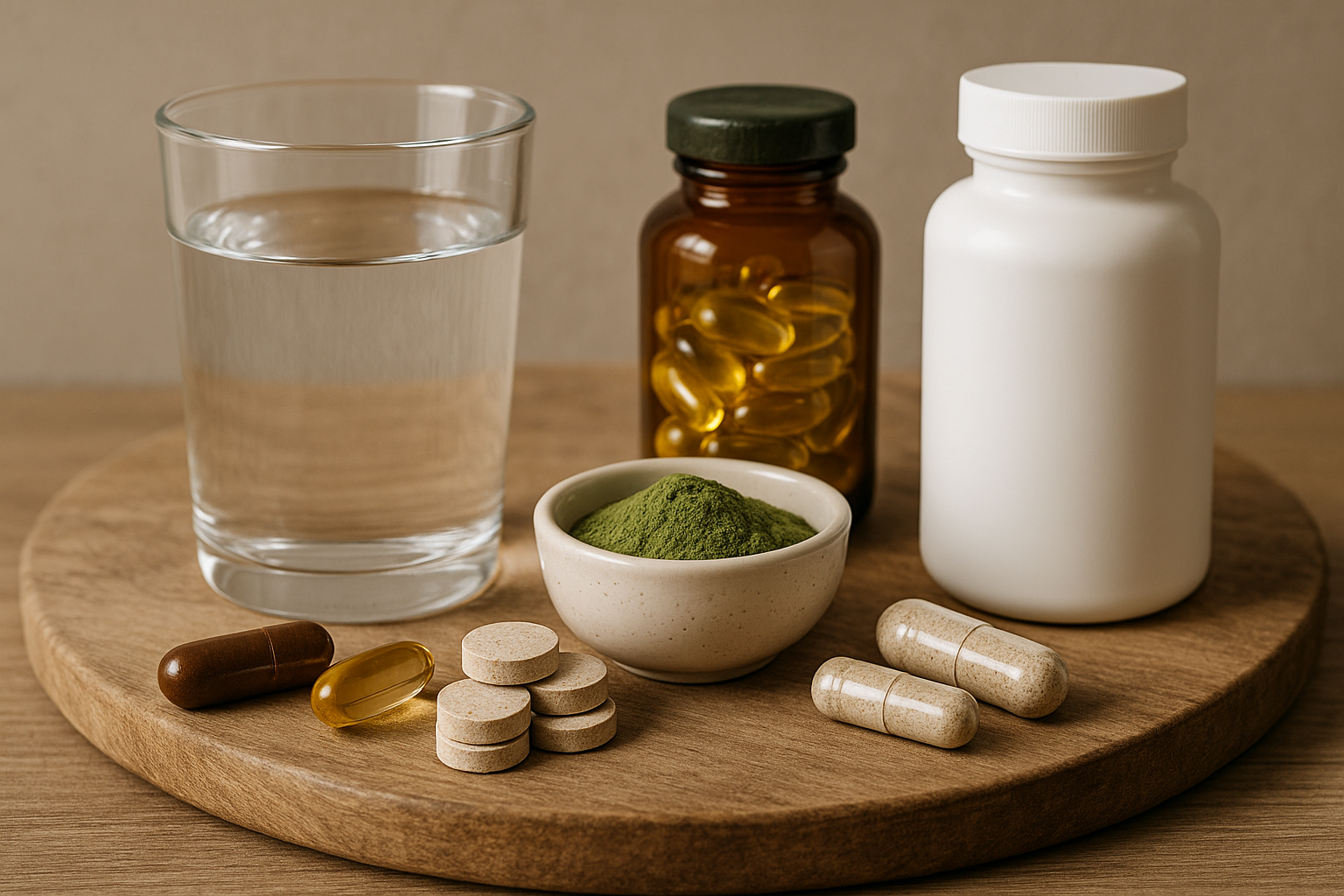
Healthcare practitioners increasingly recognize the importance of targeted supplementation for digestive optimization. EMMA Gut Health represents a physician-formulated solution designed to address multiple aspects of intestinal wellness simultaneously. This comprehensive supplement combines prebiotics, probiotics, and digestive enzymes to support natural gut barrier function and promote beneficial bacterial proliferation.
The formulation includes clinically-researched ingredients like Quercetin and Berberine, which help reduce inflammation and support healthy glucose metabolism. By targeting both microbial balance and intestinal permeability, EMMA addresses root causes rather than merely masking symptoms.
Emerging Therapeutic Targets
Cutting-edge research focuses on postbiotics—beneficial compounds produced by probiotic bacteria during fermentation. These metabolites, including short-chain fatty acids and bacteriocins, demonstrate remarkable therapeutic potential for inflammatory conditions and metabolic disorders.
Why 2026 Marks a Pivotal Year for Digestive Health
The convergence of personalized medicine, advanced microbiome testing, and sophisticated supplement formulations positions 2026 as transformative for gut health optimization. Precision nutrition approaches now enable targeted interventions based on individual microbial profiles and genetic predispositions.
"The future of wellness lies in understanding that optimal health begins in the gut. Every system in your body depends on proper digestive function and microbial balance."
Personalized Supplementation Strategies
Advanced testing methodologies allow healthcare providers to identify specific nutrient deficiencies and bacterial imbalances. This precision approach enables customized supplementation protocols that address individual needs rather than employing one-size-fits-all solutions.
| Gut Health Indicator | Optimal Range | Impact on Wellness |
|---|---|---|
| Microbial Diversity | 200+ species | Enhanced immunity, mood stability |
| Zonulin Levels | <3.0 ng/mL | Intestinal barrier integrity |
| SCFA Production | 15-20 mM | Anti-inflammatory effects |
Practical Steps for Digestive Transformation
Implementing evidence-based strategies can dramatically improve your intestinal ecosystem within weeks. Focus on these foundational elements:
- Incorporate fermented foods containing diverse bacterial strains
- Consume prebiotic-rich vegetables to nourish beneficial microbes
- Minimize processed foods that disrupt microbial balance
- Consider targeted supplementation with clinically-validated formulations
- Prioritize stress management through mindfulness practices
Frequently Asked Questions About Gut Health Optimization
How long does it take to restore gut health? Significant improvements typically occur within 2-4 weeks of consistent intervention, though complete restoration may require 3-6 months depending on initial dysfunction severity.
Can gut health supplements interact with medications? Certain probiotics and herbs may affect drug absorption or metabolism. Always consult healthcare providers before beginning new supplementation protocols, especially when taking prescription medications.
Your digestive wellness journey represents an investment in long-term vitality and cognitive performance. The revolutionary understanding of gut-brain connections empowers you to take control of your health through targeted, scientifically-backed interventions.