Cart
0
Understanding the Gut-Immunity Connection
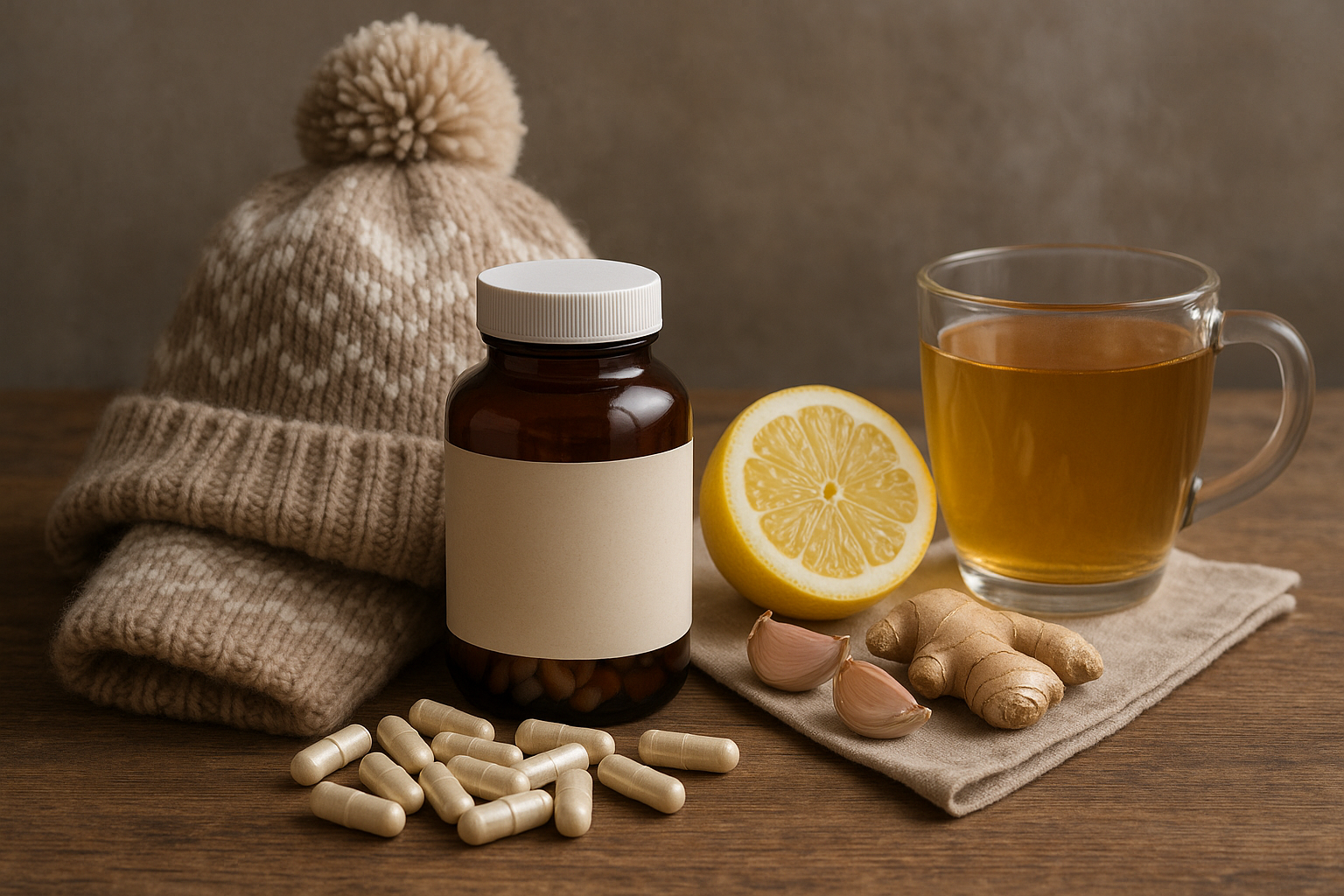
Your gastrointestinal tract houses approximately 70% of your immune system, creating a formidable alliance between gut microbiota and immunological defenses. This intricate relationship becomes particularly crucial during winter months when respiratory pathogens proliferate and environmental stressors challenge your body's natural resilience.
The enteric nervous system, often called your "second brain," orchestrates complex communications between beneficial bacteria and immune cells. These microscopic allies produce antimicrobial peptides, regulate inflammatory responses, and enhance the production of secretory immunoglobulin A (sIgA), your first line of mucosal defense against invading pathogens.
Winter's Impact on Your Microbiome
Seasonal Stressors That Compromise Gut Health
Cold season brings unique challenges that can disrupt your microbial equilibrium. Reduced sunlight exposure diminishes vitamin D synthesis, which plays a pivotal role in maintaining gut barrier integrity. Comfort foods laden with refined sugars and processed ingredients feed pathogenic bacteria while starving beneficial strains.
Holiday stress elevates cortisol levels, creating a cascade of inflammatory responses that weaken your intestinal permeability. This phenomenon, known as "leaky gut syndrome," allows toxins and undigested particles to breach your gut lining, triggering systemic inflammation and compromising immune function.
Indoor Air Quality and Microbial Diversity
Extended indoor confinement during winter months reduces exposure to environmental microorganisms that naturally diversify your gut microbiome. Heated indoor air often carries lower microbial diversity, potentially limiting the beneficial bacteria that support robust immune responses.
How Probiotics Fortify Winter Immunity
Specific probiotic strains demonstrate remarkable efficacy in bolstering immune defenses during cold season. Lactobacillus rhamnosus GG reduces the duration and severity of upper respiratory tract infections by enhancing natural killer cell activity. Bifidobacterium lactis BB-12 strengthens gut barrier function while promoting the production of anti-inflammatory cytokines.
"Research indicates that regular probiotic supplementation can reduce the incidence of respiratory infections by up to 42% during winter months, particularly when combined with prebiotic fibers that nourish beneficial bacteria."
At EA Supplements, our carefully curated Probiotics for Immune Support collection features scientifically-validated strains specifically chosen for their immunomodulatory properties. These expert-endorsed formulations combine multiple probiotic species with complementary prebiotics to maximize colonization and therapeutic benefits throughout the challenging winter season.
Featured Products
Strategic Supplementation for Cold Season
Timing and Dosage Considerations
Optimal probiotic efficacy requires strategic timing and appropriate colony-forming unit (CFU) concentrations. Most clinical studies demonstrate benefits with dosages ranging from 10 billion to 50 billion CFUs daily, taken consistently for at least 8-12 weeks to establish sustainable microbial colonies.
Taking probiotics on an empty stomach or with minimal food enhances survival rates through stomach acid. However, some strains perform better when consumed with meals containing healthy fats, which can buffer acidic conditions and improve bacterial viability.
Synergistic Nutrients for Enhanced Immunity
| Nutrient | Immune Benefit | Synergy with Probiotics |
|---|---|---|
| Vitamin D3 | Regulates immune cell function | Supports gut barrier integrity |
| Zinc | Enhances T-cell proliferation | Promotes beneficial bacteria growth |
| Vitamin C | Antioxidant protection | Stabilizes gut microbiome |
Lifestyle Strategies to Maximize Probiotic Benefits
Incorporating fermented foods alongside supplementation creates a multifaceted approach to microbial health. Kefir, kimchi, and kombucha provide diverse bacterial strains while supplying bioactive compounds that support immune function.
- Prioritize sleep hygiene to maintain circadian rhythm regulation of gut bacteria
- Engage in moderate exercise to promote microbial diversity
- Minimize antibiotic use when possible to preserve beneficial bacteria
- Stay adequately hydrated to support mucus production and pathogen clearance
Regular stress management through meditation or deep breathing exercises helps maintain optimal gut-brain axis communication, ensuring your probiotics can work synergistically with your body's natural defense mechanisms throughout the winter season.