Cart
0
Understanding Winter's Impact on Your Skin
Winter's harsh environmental conditions create a perfect storm for dermatological distress. Frigid temperatures, diminished humidity levels, and constant exposure to artificial heating systems conspire to disrupt your skin's natural moisture barrier. The stratum corneum, your skin's outermost protective layer, becomes compromised when subjected to these environmental stressors.
Cold air possesses significantly lower moisture content than warmer temperatures. This atmospheric desiccation draws precious hydration from your skin's surface through transepidermal water loss. Simultaneously, indoor heating systems further exacerbate moisture depletion by creating artificially arid environments that can rival desert conditions.
Your sebaceous glands respond to winter's challenges by reducing oil production. This natural protective mechanism becomes counterproductive during colder months when your skin desperately needs additional lipid support. The result manifests as tightness, flakiness, irritation, and that dreaded ashen appearance that signals compromised skin health.
Essential Components of a Winter Skincare Arsenal
Hydrating Cleansers That Preserve Natural Oils
Traditional foaming cleansers containing sulfates become particularly problematic during winter months. These harsh surfactants strip away essential lipids your skin needs for protection against environmental aggressors. Instead, opt for cream-based or oil-based cleansers that employ micellar technology or gentle emulsifiers.
Look for formulations containing ceramides, which help restore your skin's barrier function. Ingredients like glycerin and hyaluronic acid within cleansing products provide immediate hydration while removing impurities. The key lies in achieving thorough cleansing without compromising your skin's delicate moisture balance.
Potent Humectants and Occlusives
Your winter skincare routine for dry skin demands a sophisticated understanding of moisturizing mechanisms. Humectants attract moisture from the environment and deeper skin layers to the surface. Glycerin, sodium hyaluronate, and beta-glucan represent powerful humectant options that can hold multiple times their weight in water.
Occlusives create a protective barrier that prevents moisture loss through evaporation. Petrolatum remains the gold standard for occlusive properties, though lighter alternatives like squalane, dimethicone, and ceramide complexes offer similar benefits without heaviness. The most effective winter moisturizers combine both humectant and occlusive properties for comprehensive hydration.
Targeted Serums for Deep Nourishment
Winter demands concentrated active ingredients delivered through specialized serum formulations. Hyaluronic acid serums provide immediate plumping effects while supporting long-term moisture retention. Vitamin C serums protect against free radical damage while supporting collagen synthesis crucial for maintaining skin elasticity during harsh weather.
Niacinamide serums offer anti-inflammatory benefits while strengthening the skin barrier. This versatile ingredient helps regulate sebum production and reduces the appearance of pores while calming irritation common in winter-stressed skin.
Step-by-Step Winter Skincare Protocol
Morning Routine for Maximum Protection
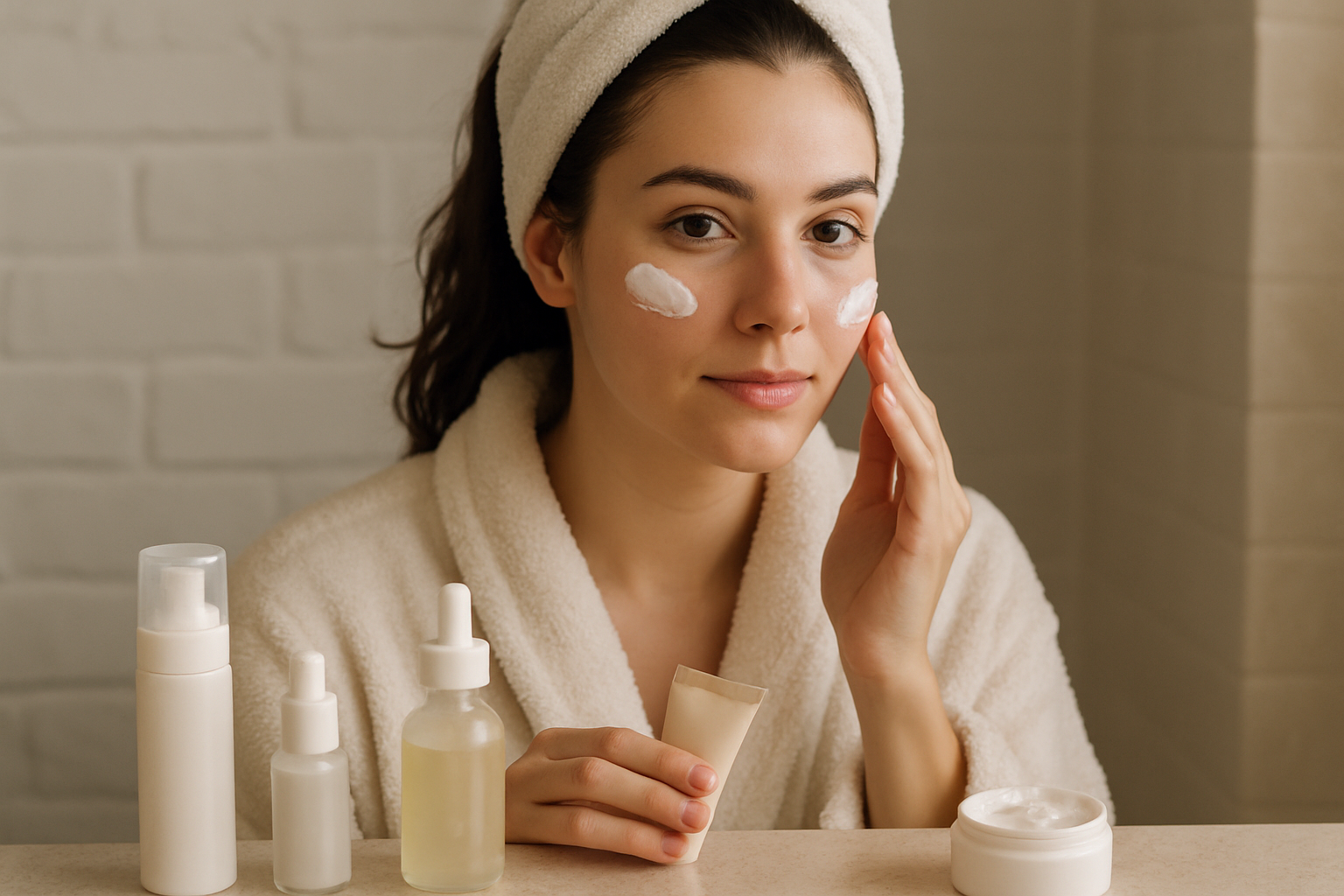
Begin your day with lukewarm water and a gentle, non-stripping cleanser. Hot water feels comforting but accelerates moisture loss and can cause capillary damage. Pat skin gently with a clean towel, leaving slight dampness to enhance product absorption.
Apply a hydrating serum to damp skin, allowing the residual moisture to boost ingredient penetration. Follow with a broad-spectrum SPF of at least 30, even during overcast winter days. UV radiation reflects off snow and ice, creating unexpected exposure risks that many overlook during colder months.
Your daytime moisturizer should provide lasting hydration without interfering with makeup application. Look for lightweight formulations containing peptides or antioxidants that support skin repair throughout the day.
Evening Ritual for Intensive Repair
Evening routines offer opportunities for deeper intervention and repair. Double cleansing becomes particularly beneficial during winter when you're layering heavier products and potentially wearing more makeup to combat dullness.
Start with an oil-based cleanser to dissolve makeup, sunscreen, and accumulated sebum. Follow with a gentle water-based cleanser to remove any remaining impurities. This two-step process ensures thorough cleansing without over-manipulation or excessive rubbing.
Apply treatment serums to slightly damp skin, allowing each layer to absorb before applying the next. Finish with a richer night moisturizer containing ingredients like retinol, peptides, or growth factors that work optimally during your skin's natural repair cycle.
Advanced Strategies for Stubborn Dryness
Facial Oils and Their Therapeutic Benefits
Face oils deserve special consideration in winter skincare regimens. These concentrated lipid sources can penetrate deeply to nourish and protect compromised skin barriers. Jojoba oil closely mimics skin's natural sebum composition, making it universally compatible across skin types.
Rosehip seed oil provides essential fatty acids and natural retinoids that support cell turnover. Marula oil offers exceptional antioxidant properties while remaining lightweight and fast-absorbing. Layer oils over water-based serums but under heavier creams for optimal penetration and efficacy.
Weekly Treatment Intensives
Incorporate weekly treatment masks designed specifically for moisture replenishment. Hydrogel masks provide sustained hydration delivery over extended periods. Clay-based masks should be avoided or used sparingly, as they can further dehydrate winter-stressed skin.
Gentle exfoliation remains important but requires careful consideration during winter months. Over-exfoliation can compromise your already-stressed moisture barrier. Opt for enzymatic exfoliants or low-concentration chemical exfoliants used less frequently than during warmer seasons.
"The key to successful winter skincare lies in understanding that your skin's needs change dramatically with the seasons. What works in summer may actually harm your skin during winter months." - Dermatological Research Foundation
Nutritional Support for Winter Skin Health
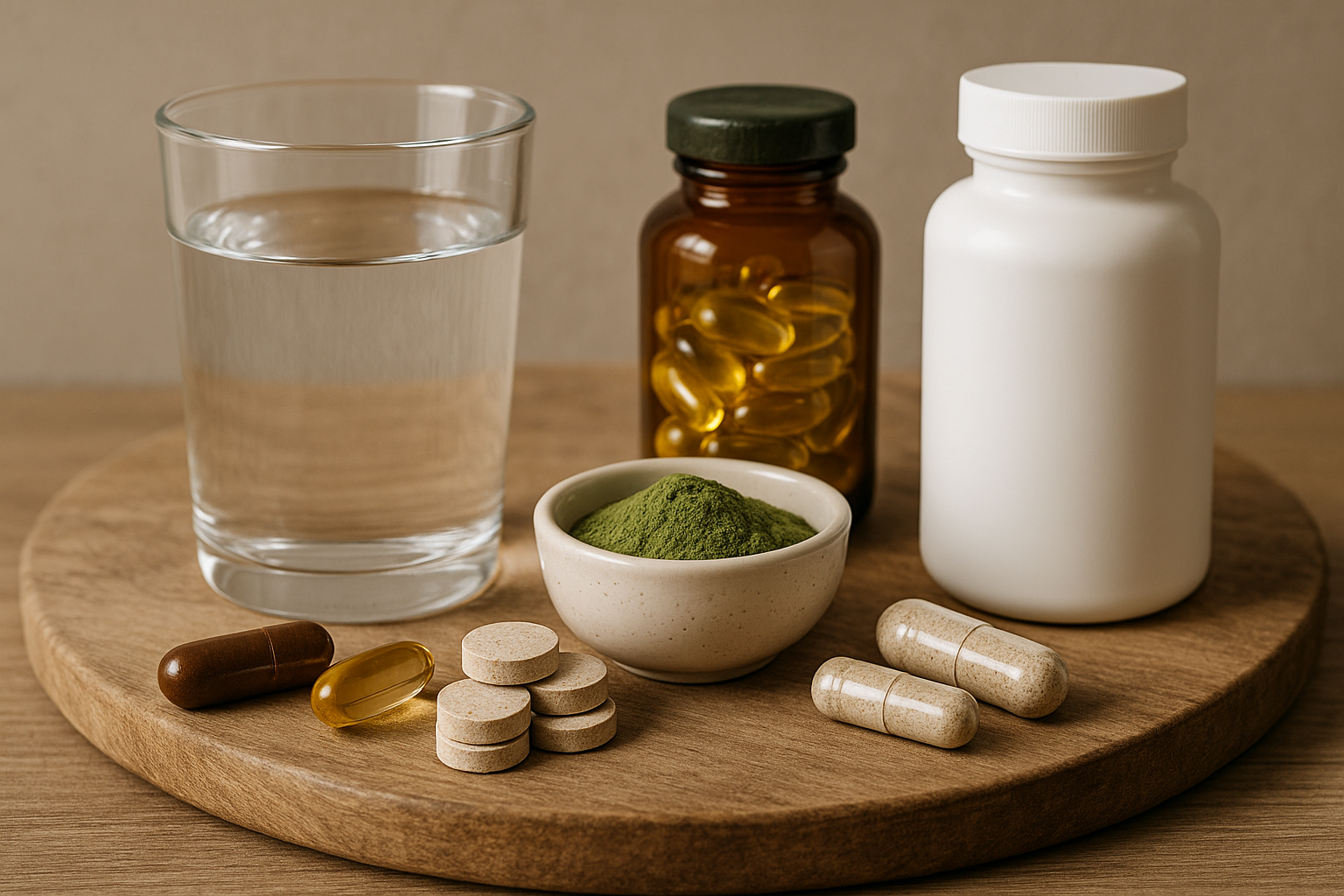
External skincare represents only part of the equation for achieving radiant winter skin. Internal nutritional support plays a crucial role in maintaining skin health from within. Essential fatty acids, particularly omega-3 and omega-6, support skin barrier function and reduce inflammation.
Vitamin D deficiency becomes common during winter months due to reduced sun exposure. This deficiency can manifest as increased skin sensitivity and delayed healing. Supplementation with high-quality vitamin D3 helps maintain optimal skin function during darker months.
Collagen peptides support skin elasticity and hydration from within. These bioavailable proteins provide building blocks for maintaining skin structure while winter's harsh conditions challenge your skin's integrity. Hyaluronic acid supplements can enhance the body's natural moisture retention capabilities.
| Nutrient | Daily Recommendation | Skin Benefits |
|---|---|---|
| Omega-3 Fatty Acids | 1000-2000mg EPA/DHA | Reduces inflammation, supports barrier function |
| Vitamin D3 | 1000-4000 IU | Supports skin cell regeneration and immune function |
| Vitamin C | 1000-2000mg | Antioxidant protection, collagen synthesis |
| Biotin | 2500-5000mcg | Supports skin cell metabolism and repair |
Environmental Modifications for Skin Wellness
Your skincare routine extends beyond topical products to include environmental considerations that significantly impact skin health. Indoor humidity levels should maintain between 40-60% to prevent excessive moisture loss from skin surfaces. Humidifiers become essential tools for creating skin-friendly environments during heating season.
Clothing choices directly affect skin comfort and health. Natural fibers like cotton and silk allow better air circulation and reduce irritation compared to synthetic materials. Avoid wearing wool directly against sensitive facial skin, as it can cause mechanical irritation and worsen dryness.
Sleep environment optimization supports overnight skin repair processes. Silk pillowcases reduce friction and moisture loss compared to cotton alternatives. Maintaining cooler bedroom temperatures while using appropriate bedding helps prevent overheating that can disrupt skin's natural repair cycles.
Common Winter Skincare Mistakes to Avoid
Over-cleansing represents one of the most damaging mistakes during winter months. The impulse to cleanse away flakiness often leads to further barrier disruption and increased dryness. Limit cleansing to twice daily maximum, using gentle formulations that respect your skin's compromised state.
Product layering without proper timing can reduce efficacy and cause irritation. Allow each product layer to absorb for 2-3 minutes before applying the next. This timing prevents pilling and ensures optimal penetration of active ingredients.
Neglecting neck and décolletage areas creates visible inconsistencies in skin appearance. These areas possess thinner skin and fewer sebaceous glands, making them particularly vulnerable to winter damage. Extend your facial skincare routine to include these often-forgotten zones.
Frequently Asked Questions About Winter Skincare
How often should I exfoliate during winter months?
Reduce exfoliation frequency to once or twice weekly maximum during winter. Focus on gentle enzymatic or low-concentration chemical exfoliants rather than physical scrubs that can damage compromised skin barriers.
Can I use the same moisturizer year-round?
Most skin types require heavier, more occlusive moisturizers during winter months. Your summer moisturizer likely lacks sufficient barrier protection for harsh winter conditions. Consider switching to richer formulations containing ceramides and natural oils.
Should I still wear sunscreen during winter?
Absolutely. UV radiation remains present during winter months and reflects off snow and ice surfaces. Choose moisturizing sunscreen formulations that provide both UV protection and additional hydration benefits.
How long does it take to see improvements in winter dry skin?
With consistent application of appropriate products, most people notice improvements within 7-14 days. Complete barrier repair may take 4-6 weeks of dedicated skincare routine adherence.
- Skin cell turnover occurs every 28-40 days
- Barrier function improvements begin within the first week
- Deep hydration benefits accumulate over time
- Consistency proves more important than product expense
Remember that achieving radiant winter skin requires patience and consistency. Your skin's needs change with environmental conditions, and adapting your routine accordingly ensures optimal results throughout the coldest months. Focus on gentle, nourishing approaches that support your skin's natural protective mechanisms rather than fighting against them.