Cart
0
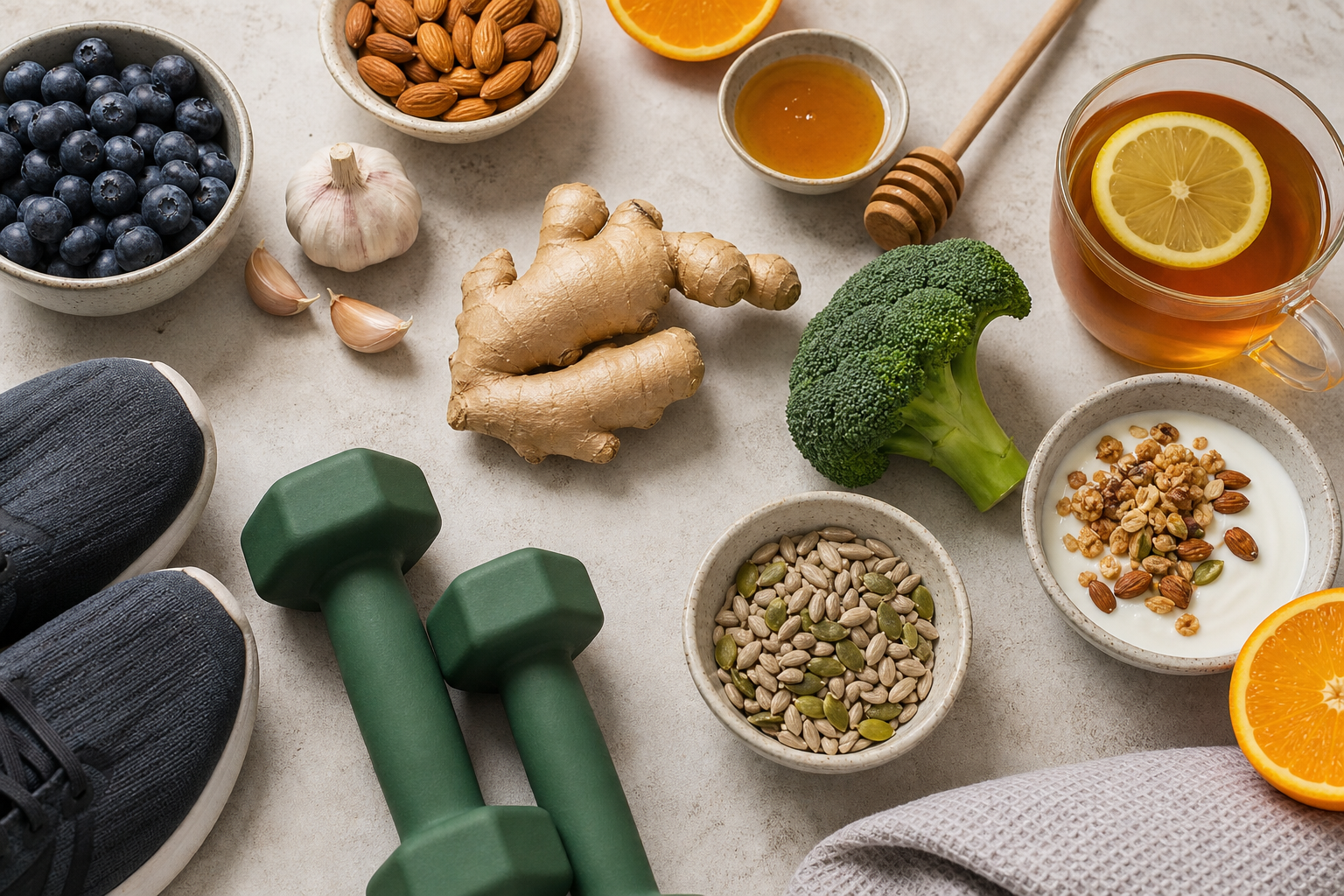
Your immune system works tirelessly to protect you from pathogens, environmental stressors, and cellular damage. While no supplement or lifestyle change can guarantee immunity from illness, strategic interventions can fortify your body's natural defenses. Understanding which natural immune boosters have robust scientific support helps you make informed decisions about your wellness routine.
The Foundation of Immune Vitality
Before exploring specific methods, it's essential to recognize that immunity operates as an intricate network rather than a single entity. Your innate and adaptive immune responses require diverse nutrients, adequate rest, and balanced physiological conditions to function optimally. Natural immune boosters work synergistically with these systems rather than replacing pharmaceutical interventions when medical care becomes necessary.
1. Prioritize Sleep Architecture
Sleep deprivation represents one of the most underestimated threats to immune competence. During deep sleep phases, your body manufactures cytokines—proteins that target infection and inflammation. Research demonstrates that individuals sleeping fewer than six hours nightly exhibit significantly reduced antibody responses to vaccinations compared to well-rested counterparts.
Establishing consistent sleep-wake cycles strengthens circadian rhythms that govern immune cell production and distribution. Aim for seven to nine hours of quality rest, maintaining regular bedtimes even on weekends. This foundational practice costs nothing yet delivers profound immunological dividends.
2. Harness Micronutrient Synergy
Certain vitamins and minerals serve as cofactors for enzymatic reactions critical to immune surveillance. Rather than mega-dosing individual nutrients, focus on comprehensive micronutrient adequacy.
Key Immune-Supporting Nutrients
- Vitamin D: Modulates both innate and adaptive immunity, with deficiency linked to increased infection susceptibility
- Zinc: Essential for immune cell development and communication; therapeutic doses may shorten common cold duration
- Vitamin C: Supports neutrophil function and cellular antioxidant capacity
- Selenium: Influences oxidative stress responses and viral mutation rates
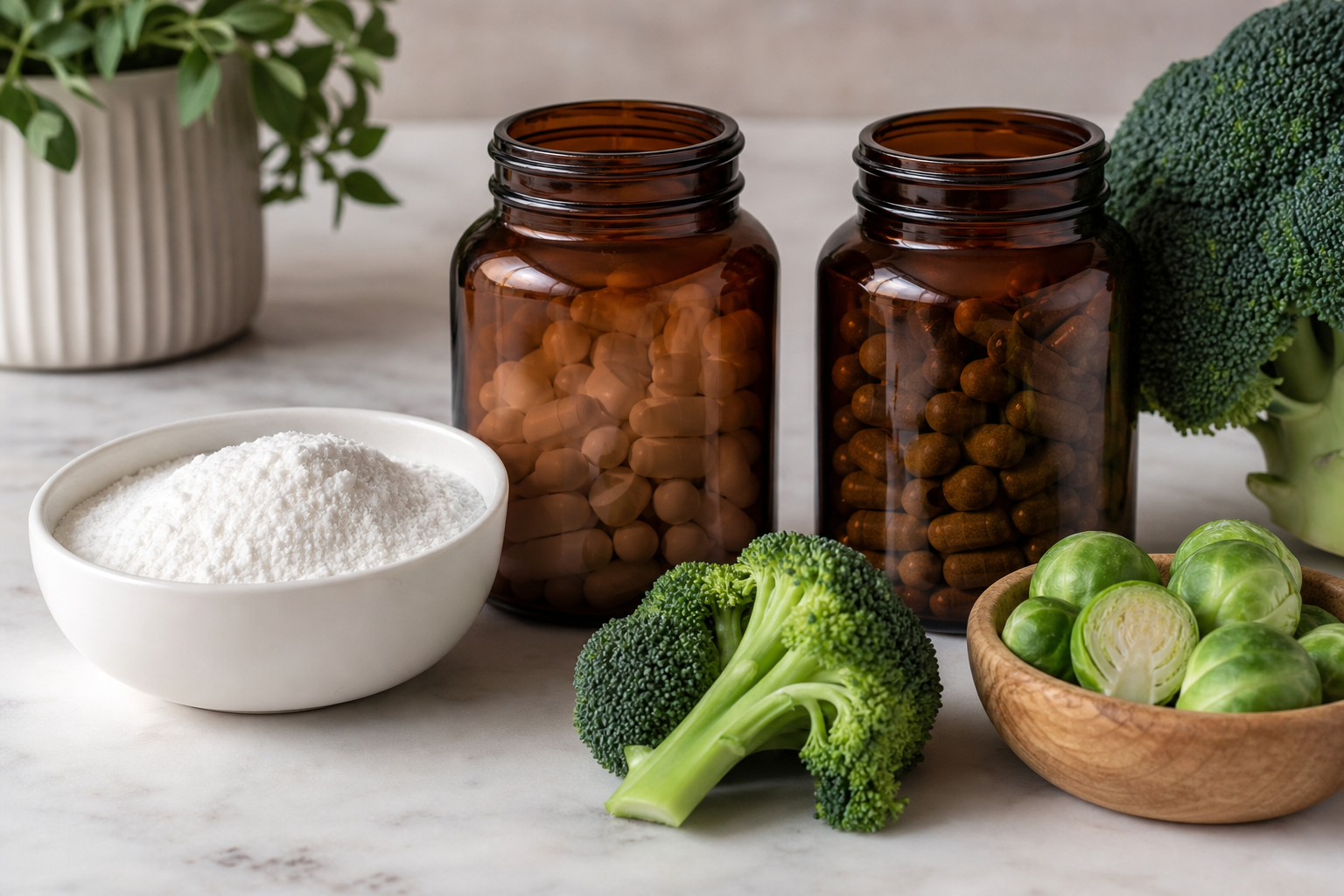
Clean formulations from trusted sources ensure you're obtaining bioavailable forms without unnecessary fillers or contaminants. Consider working with healthcare providers to identify specific deficiencies through laboratory testing rather than supplementing indiscriminately.
3. Cultivate Gut Microbiome Diversity
Approximately seventy percent of immune tissue resides in your gastrointestinal tract. The gut microbiome—comprising trillions of microorganisms—educates immune cells, produces antimicrobial compounds, and maintains intestinal barrier integrity.
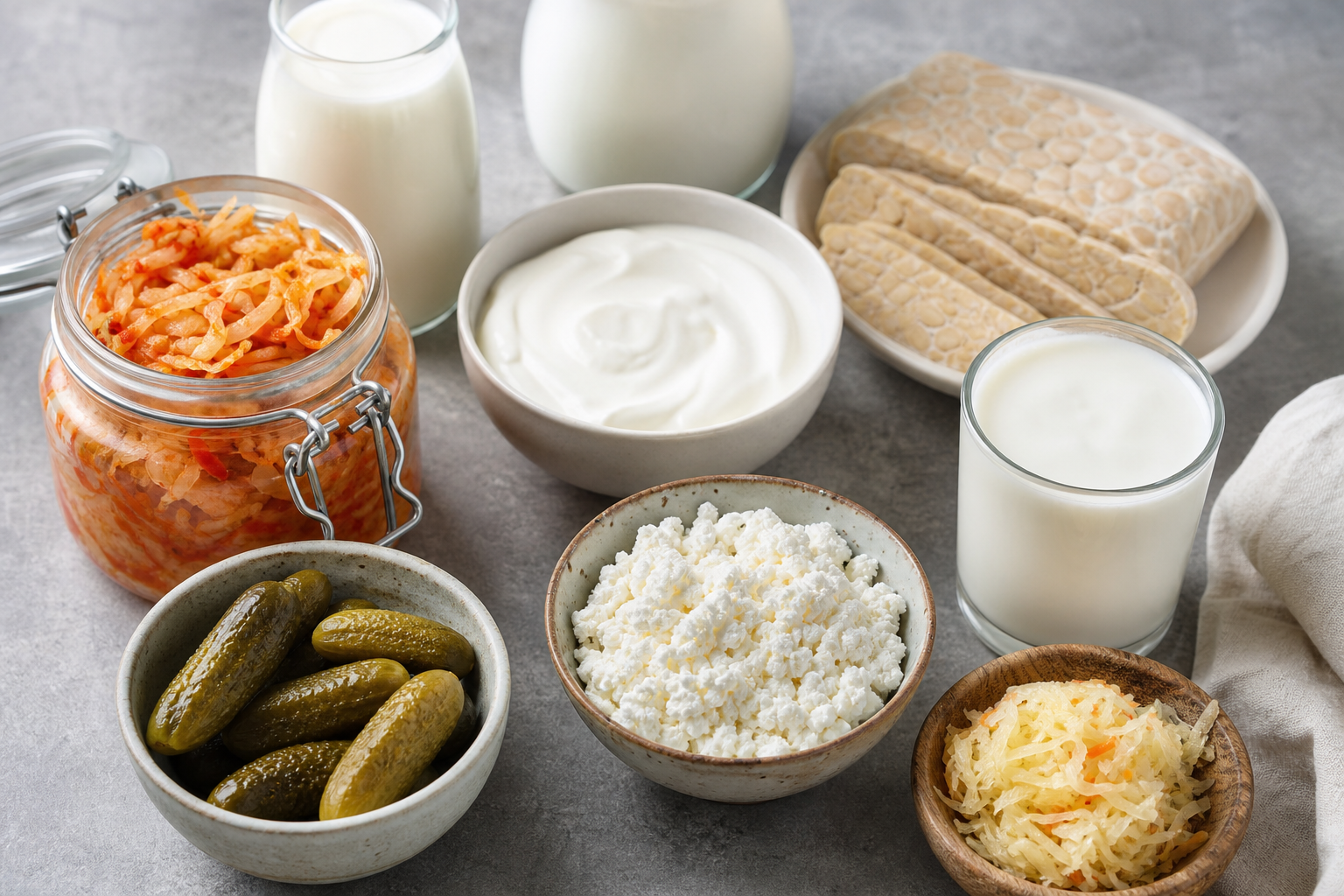
Fermented foods like kimchi, kefir, and sauerkraut introduce beneficial bacteria while prebiotic fibers from vegetables feed existing microbial populations, creating a symbiotic relationship that enhances immune surveillance.
Probiotic supplementation may offer benefits during antibiotic use or following gastrointestinal disturbances, though dietary diversity typically provides superior microbial variety. Minimizing processed foods, artificial sweeteners, and unnecessary antibiotic exposure protects this delicate ecosystem.
4. Integrate Regular Movement
Moderate physical activity enhances immune cell circulation, reduces inflammatory markers, and improves stress resilience. Studies indicate that consistent exercise—approximately 150 minutes of moderate-intensity activity weekly—correlates with reduced upper respiratory infection incidence.
However, excessive training without adequate recovery can temporarily suppress immunity. Balance represents the operative principle: regular movement without chronic overexertion optimizes immune function while supporting metabolic health, cardiovascular fitness, and psychological wellbeing.
5. Manage Psychosocial Stress
Chronic psychological stress elevates cortisol levels, which suppress lymphocyte activity and alter cytokine production patterns. This neuroimmune connection explains why prolonged stress correlates with increased vulnerability to infections.
Evidence-based stress management techniques include mindfulness meditation, progressive muscle relaxation, and nature exposure. These practices activate parasympathetic nervous system responses that counterbalance stress-induced immune suppression. Even brief daily sessions accumulate meaningful benefits over time.
Integrating Natural Immune Support Into Daily Life
Implementing these science-backed methods doesn't require drastic lifestyle overhauls. Small, consistent changes compound into significant improvements in immune resilience. Consider these approaches complementary rather than mutually exclusive—sleep hygiene enhances stress management, physical activity supports microbiome health, and adequate nutrition underpins all physiological functions.
| Method | Implementation Difficulty | Evidence Strength |
|---|---|---|
| Sleep Optimization | Low | High |
| Micronutrient Adequacy | Moderate | High |
| Gut Health Support | Moderate | High |
| Regular Exercise | Moderate | High |
| Stress Management | Moderate to High | High |
Quality supplements can fill nutritional gaps when whole-food sources prove insufficient, particularly for nutrients like vitamin D in sun-limited regions. Selecting products from reputable manufacturers with transparent ingredient sourcing and third-party testing ensures you're investing in effective formulations that support rather than undermine your wellness objectives.
Your immune system deserves the same thoughtful attention you give other aspects of health. By implementing these evidence-based natural immune boosters, you create conditions for optimal physiological function while honoring your body's remarkable capacity for self-protection.