Cart
0
Your immune system represents your body's primary bulwark against pathogens, environmental stressors, and cellular dysfunction. While nutrition, sleep, and exercise form foundational pillars of immunity, emerging research spotlights the microbiome—specifically probiotic bacteria—as critical modulators of immune resilience. Understanding which strains deliver tangible benefits and how to incorporate them strategically can transform your wellness trajectory.
The Gut-Immune Axis: A Symbiotic Partnership
Approximately seventy percent of immune cells reside within gut-associated lymphoid tissue, creating an intricate dialogue between your microbiota and defense mechanisms. Probiotic organisms don't merely colonize your intestinal lining; they actively educate immune cells, calibrate inflammatory responses, and fortify epithelial barriers that prevent pathogenic infiltration.
This bidirectional communication occurs through multiple pathways. Beneficial bacteria produce short-chain fatty acids like butyrate, which nourish colonocytes and dampen excessive inflammation. They also stimulate production of immunoglobulin A, your mucosal immune system's first responder. When selecting the best probiotics for immune system health, prioritizing strains with documented immunomodulatory properties becomes paramount.
Navigating Your Probiotic Options
At EA Supplements, we've curated specialized formulations designed to address specific immune challenges while maintaining the highest purity standards. Our collection bridges cutting-edge microbiome science with accessible wellness solutions.
Featured Products
Each product undergoes rigorous third-party testing to verify strain identity, potency through expiration, and absence of contaminants. This commitment ensures you're receiving viable organisms capable of conferring genuine health benefits rather than inactive placeholders.
Clinically-Validated Strains for Immune Fortification
Not all probiotic strains deliver equivalent immune support. Research identifies specific lineages with pronounced immunological effects:
Lactobacillus rhamnosus GG
Perhaps the most extensively studied probiotic strain globally, LGG demonstrates remarkable adhesion to intestinal mucosa and robust survival through gastric acid. Clinical trials reveal its capacity to reduce respiratory infection duration and severity, particularly in vulnerable populations. Its mechanism involves enhancing natural killer cell activity and modulating cytokine profiles toward balanced immunity.
Bifidobacterium lactis
This strain excels at reinforcing gut barrier integrity while stimulating phagocytic activity—your immune system's cellular cleanup crew. Studies indicate B. lactis supplementation correlates with reduced inflammatory markers and improved resistance to common pathogens encountered during seasonal transitions.
Lactobacillus plantarum
Distinguished by its versatility, L. plantarum produces antimicrobial peptides that inhibit pathogenic overgrowth while simultaneously supporting regulatory T-cell development. This dual action makes it particularly valuable for individuals seeking balanced immune responses without excessive reactivity.
Optimizing Probiotic Efficacy
Acquiring premium supplements represents only half the equation. Strategic implementation amplifies results significantly.
- Timing matters: Consuming probiotics with meals containing modest fat enhances strain survival through the acidic gastric environment
- Consistency trumps sporadic mega-dosing: Daily administration allows sustained colonization and immune dialogue
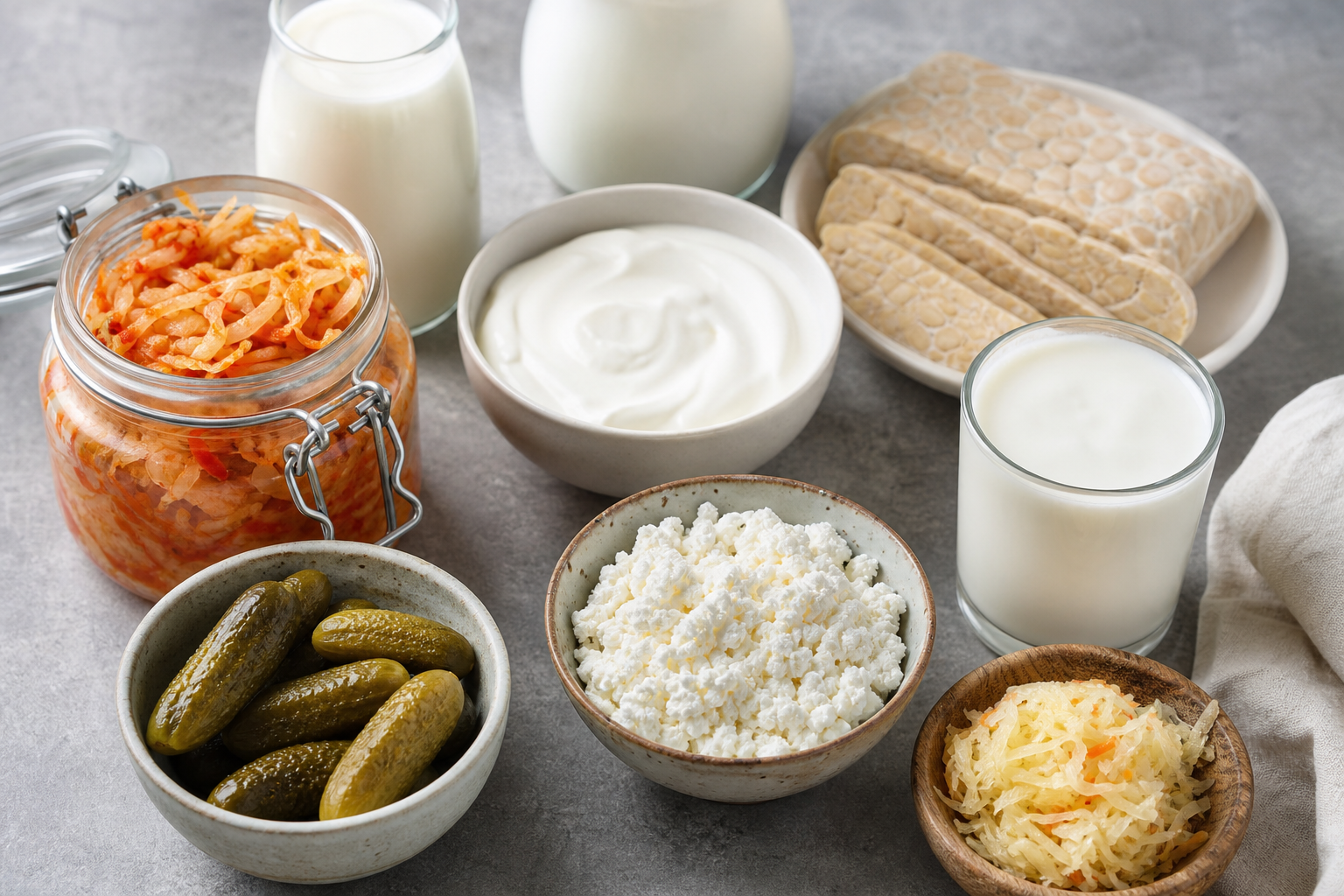
- Prebiotic synergy: Pairing probiotics with fermentable fibers like inulin or resistant starch nourishes beneficial bacteria, extending their activity
- Refrigeration preserves potency for temperature-sensitive formulations, though shelf-stable options offer convenience without compromising viability
Beyond Colony Counts: What Really Matters
Marketing often emphasizes astronomical CFU numbers—colony-forming units—as primary quality indicators. While adequate dosing proves essential, strain specificity and delivery technology deserve equal consideration. Microencapsulation technologies, enteric coatings, and freeze-drying methodologies determine whether organisms reach their intestinal destination intact.
The most effective probiotic isn't necessarily the one with the highest CFU count, but rather the formulation combining clinically-relevant strains, protective delivery systems, and guaranteed potency through product expiration.
Frequently Asked Questions
How quickly should I expect immune benefits from probiotics?
Initial microbiome shifts occur within days, though measurable immune parameters typically stabilize after four to eight weeks of consistent supplementation. Seasonal vulnerability reduction often becomes apparent during subsequent exposure cycles.
Can probiotics replace other immune-supporting practices?
Probiotics function optimally as components within comprehensive wellness strategies. They complement—but don't substitute for—adequate sleep, stress management, nutrient-dense nutrition, and regular physical activity. Synergistic approaches yield superior outcomes compared to isolated interventions.
Fortifying your immune defenses through strategic probiotic supplementation represents an evidence-based investment in long-term vitality. By selecting specialized strains, maintaining consistency, and integrating probiotics within holistic wellness frameworks, you're equipping your body with microscopic allies capable of profound health dividends.